Case Study - Animation
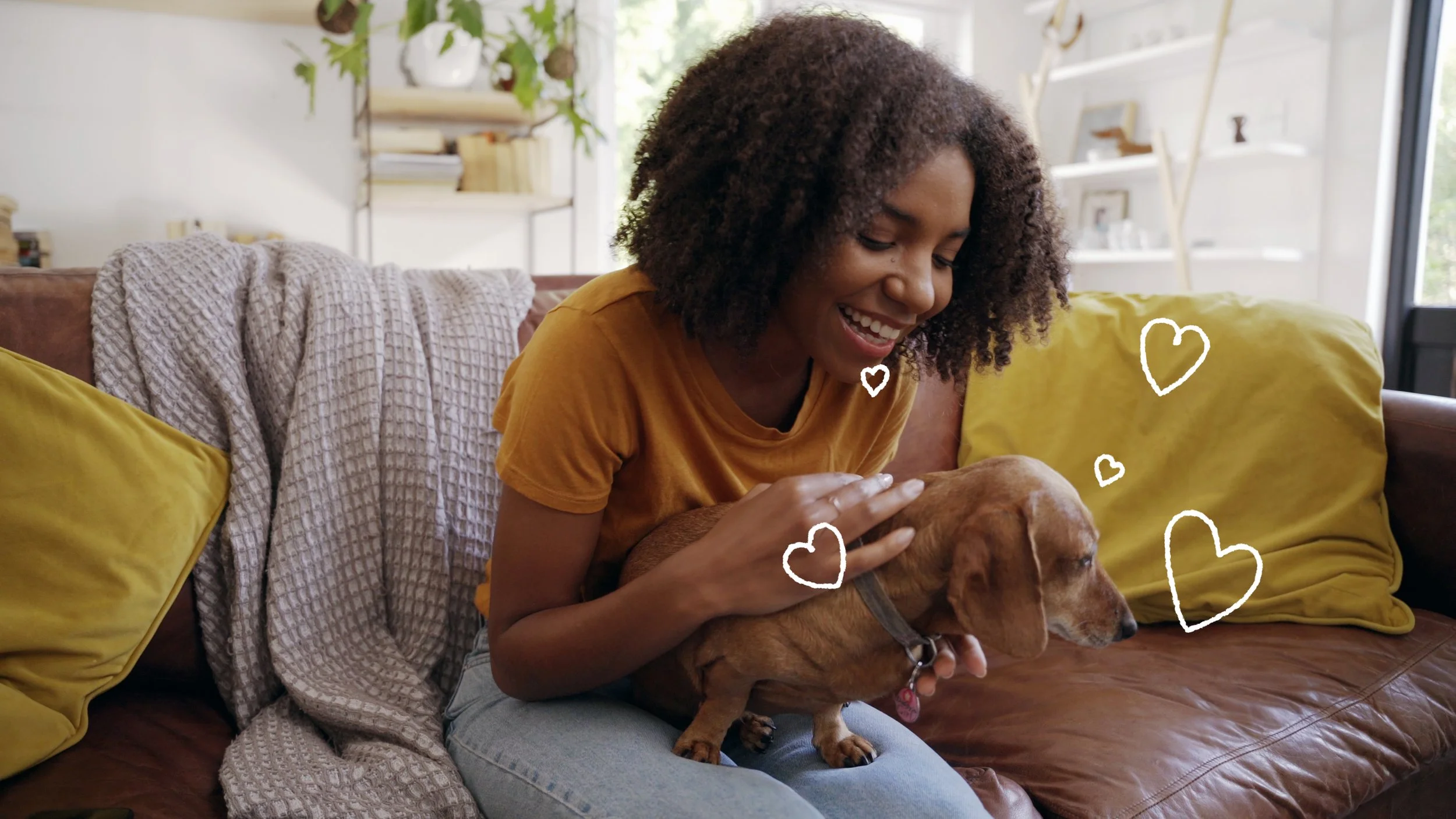
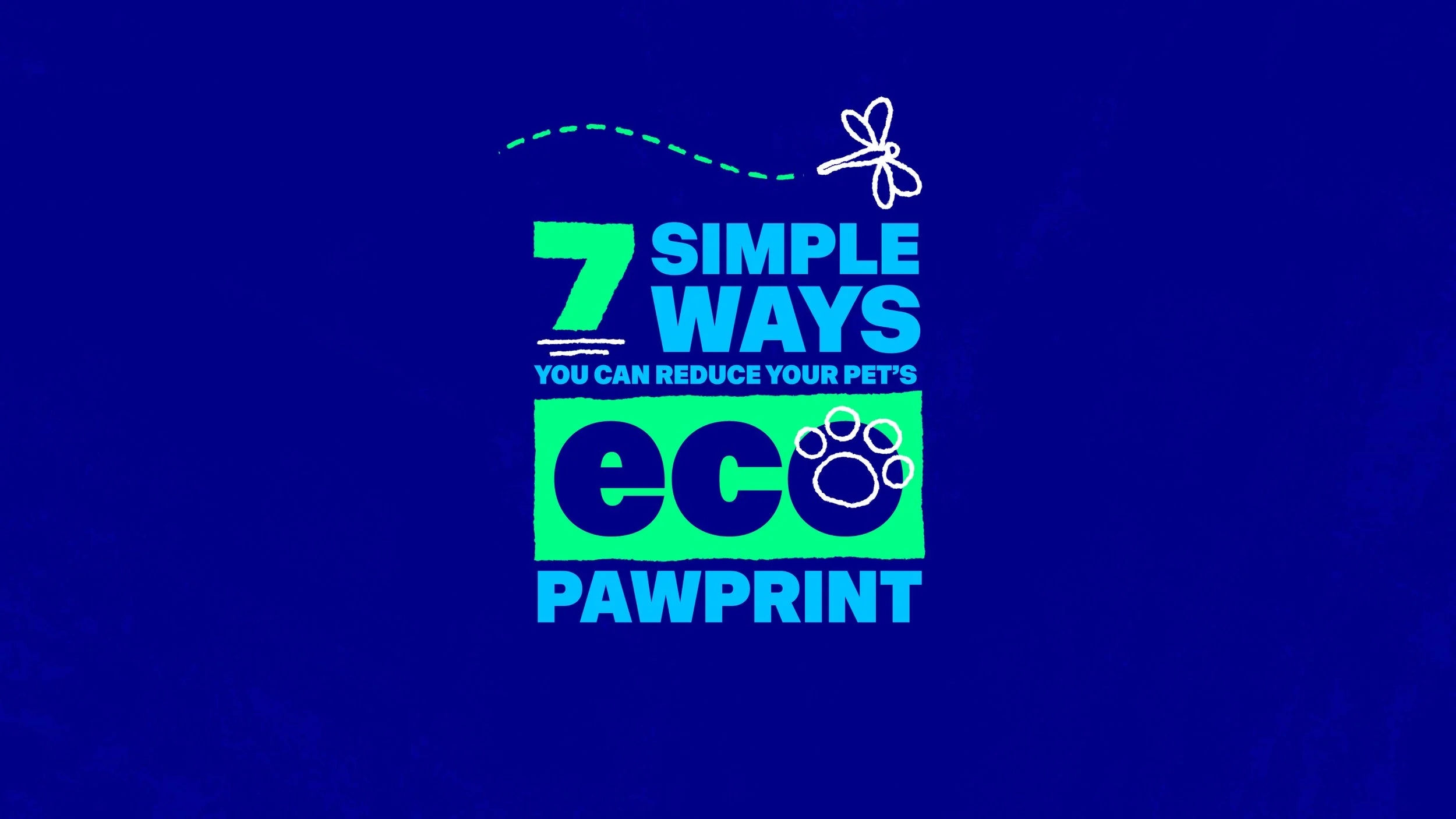
An animated campaign for the Grantham Institute for Climate Change focused on reducing pets’ environmental paw prints. Blending animation with live-action pet footage, the campaign was designed for print, digital and social platforms ahead of the Great Exhibition Road Festival 2026.
This project followed on from a series of 90-second animations we produced a few years back to communicate the research findings of the Grantham Institute for Climate Change at Imperial College. Following the success of the original animations, the client invited us to create the latest instalment in the series.
This time, they were focusing on the actions individuals can take to reduce their pet’s environmental paw print.
WHAT WE WERE ASKED TO DO
The brief.
The production was timed to coincide with the Great Exhibition Road Festival (which took place on 6–7 June 2026), where the Grantham Institute hosted a stand to engage with festival-goers about steps they can take to reduce their pet’s environmental paw print.
The team asked us to develop a design concept that would translate well across print, digital and social channels. A key creative consideration was blending animation with live-action imagery, which would allow us to incorporate lots of adorable pet footage - because who doesn’t love cute animal content?
The audience
As the materials produced for this project were going to be shared at a public exhibition, they needed to appeal to a broad audience and be designed to be informal and relatable, connecting with people in a way that felt approachable rather than assuming a high level of environmental awareness. The primary audience consisted of everyday pet owners who care about their animals and want to make responsible choices, but who may never have considered the environmental impacts associated with owning a pet.
The creative approach combined animation with stock imagery to create a visual style that was engaging and accessible to this wide audience. This balance helped communicate environmental messages in a way that felt inviting and relevant, rather than feeling overly scientific.
We began the project by producing the animation, which allowed us to establish a visual style before translating it across a 10-page concertina leaflet and website assets.
INSIDE THE PROJECT
Our approach.
Pre-production
We held an initial meeting with all stakeholders to review the details of each deliverable and establish the key project deadlines.
At this point, we agreed on a communication plan and set a fixed weekly check-in to review progress and outstanding actions. Scheduling a dedicated time for regular catch-ups helped keep the project on track - without any surprises for any of the project stakeholders!
Script development
The Grantham Institute communications team primarily developed the script. The goal with the script was to create something that communicated the science clearly, whilst feeling informal and approachable.
We reviewed the script early in the project and identified opportunities where visual elements could effectively illustrate key points, reducing the need to state everything explicitly within the script. We also recorded a guide voiceover, which helped us pinpoint areas where there was unnecessary repetition or where the flow could be improved. We worked collaboratively with the Grantham team throughout the process to enhance clarity and overall coherence.
Style exploration
The next step was to establish a visual direction by gathering a selection of references. These were not intended to be replicated directly, but were used to help define the tone and overall approach. Sharing these examples with the project team also helped to ensure we were aligned on the overall look and feel of the campaign.
Using these references, we created Pinterest mood boards and developed three distinct visual directions for consideration:
Playful
Whimsical illustrations featuring soft pastel colours, organic shapes, rounded edges, and characterful typography. This approach felt friendly, accessible, and emotionally engaging.
Modernist
A clean and contemporary style built around geometric forms, structured layouts, bold colour palettes, and confident sans-serif typography. This direction offered clarity and credibility while maintaining a strong visual presence.
Doodle
Hand-drawn illustrations layered over photography and video content. This approach introduced personality, expression, and warmth while providing a flexible way to communicate information and guide attention within real-world scenes.
Each direction explored different ways of balancing accessibility, engagement, and trust, while supporting the project's goal of communicating environmental issues associated with pet ownership.
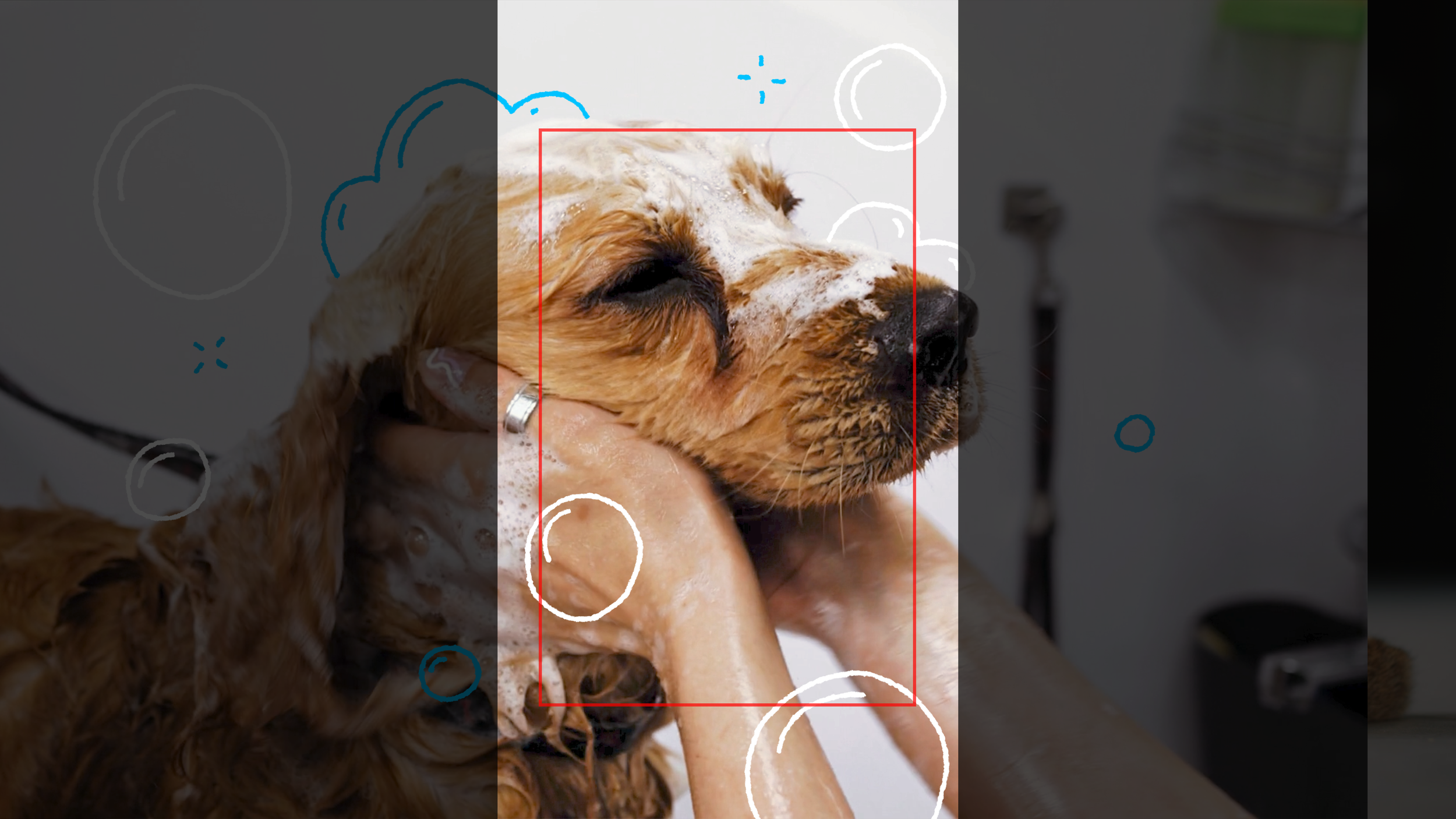
The team quickly aligned on the Doodle style as the preferred direction. It worked well with the project's intended use of stock photography and video, and only required a simple illustration system to add personality and visual consistency.
By layering hand-drawn graphics over real-world imagery, the style introduced warmth and character, helped highlight key information, and made a potentially sensitive topic feel more approachable.
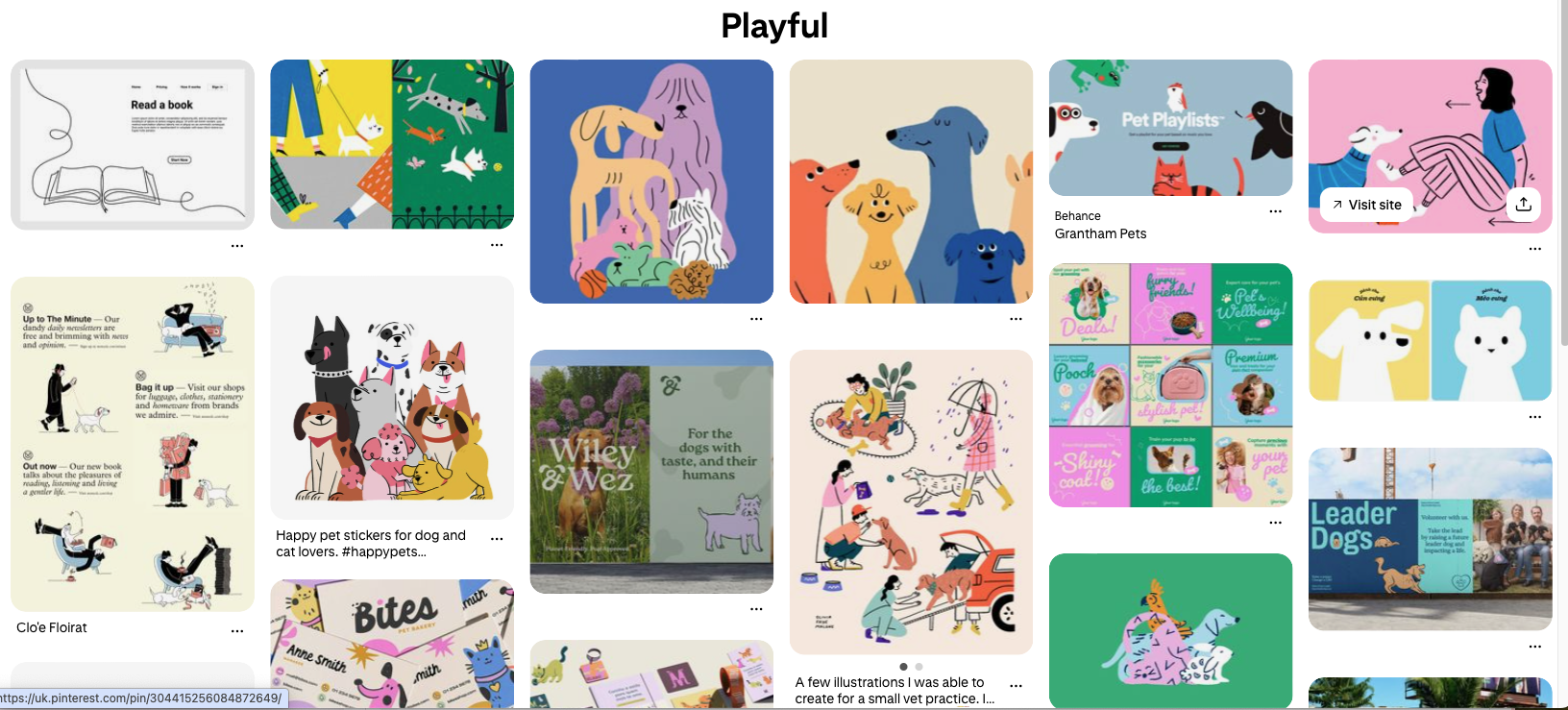
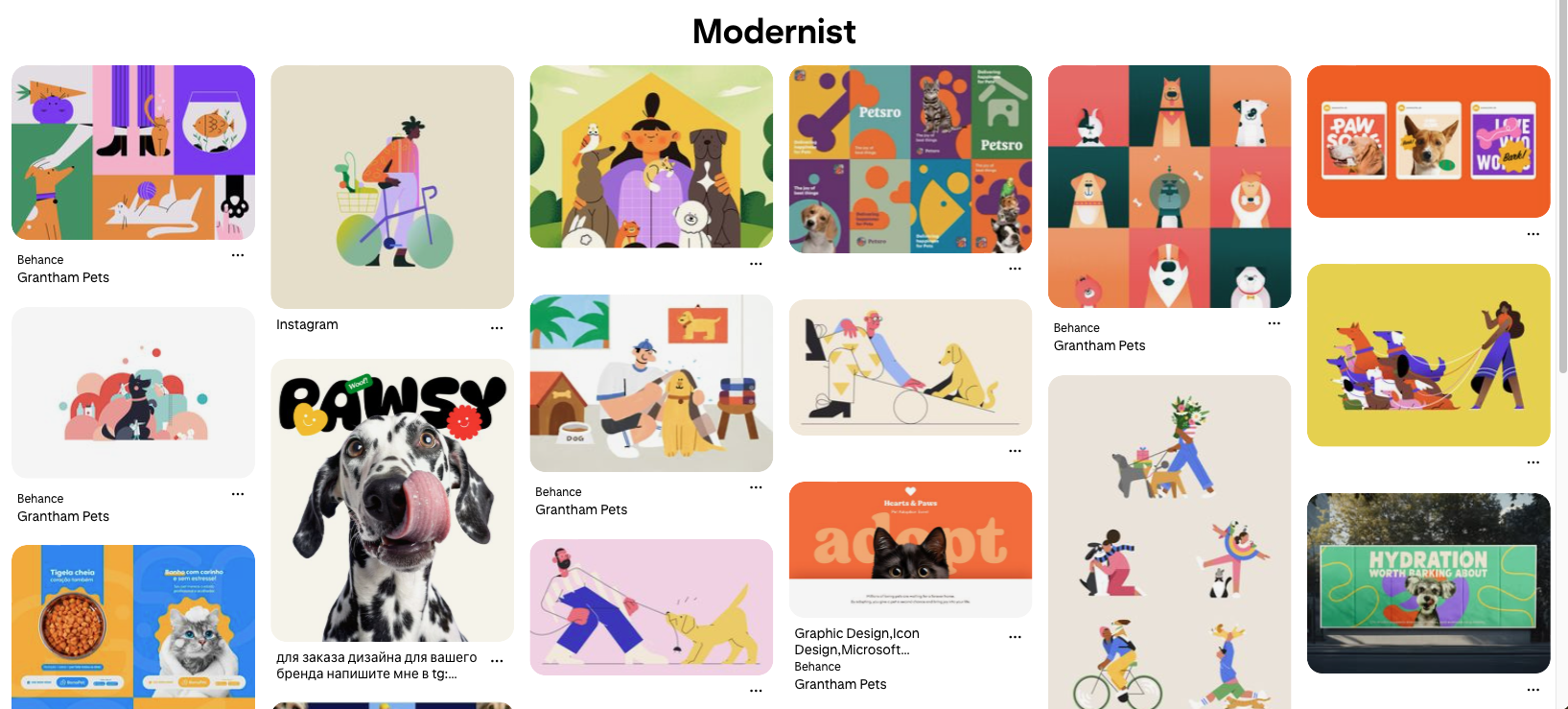
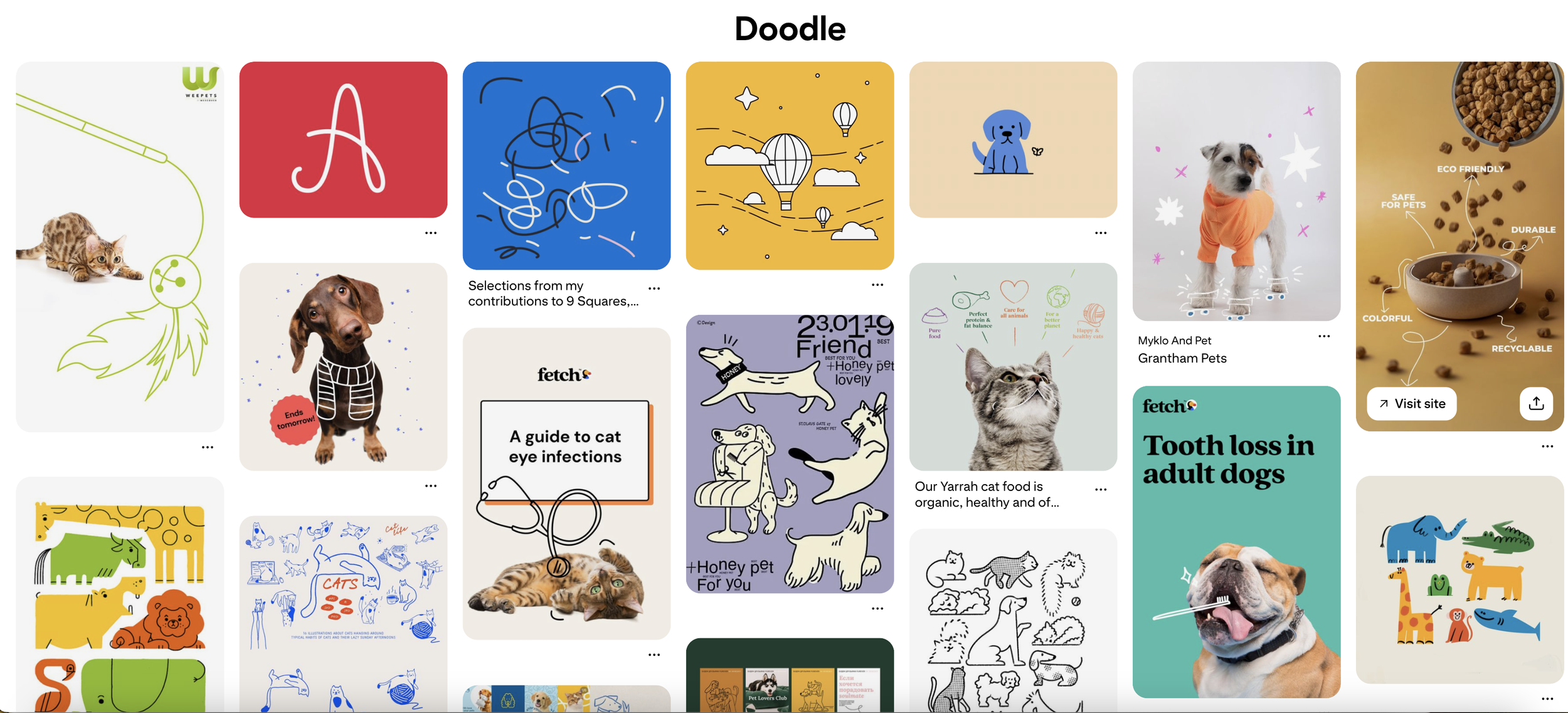
Illustration and storyboarding
Once the project team had landed on a style, the next stage was to start illustrating. This involved carefully selecting footage that worked with the script, adding doodles to the footage and creating simple animated scenes. We mocked up a few scenes in the context of various outputs, to show how the intended style would look across landscape, portrait and print. By referring closely to the existing visual identity, we were able to develop a unique look and feel that gave the visual concepts life, but appeared as if they belonged within the Grantham Institute and Imperial brands.
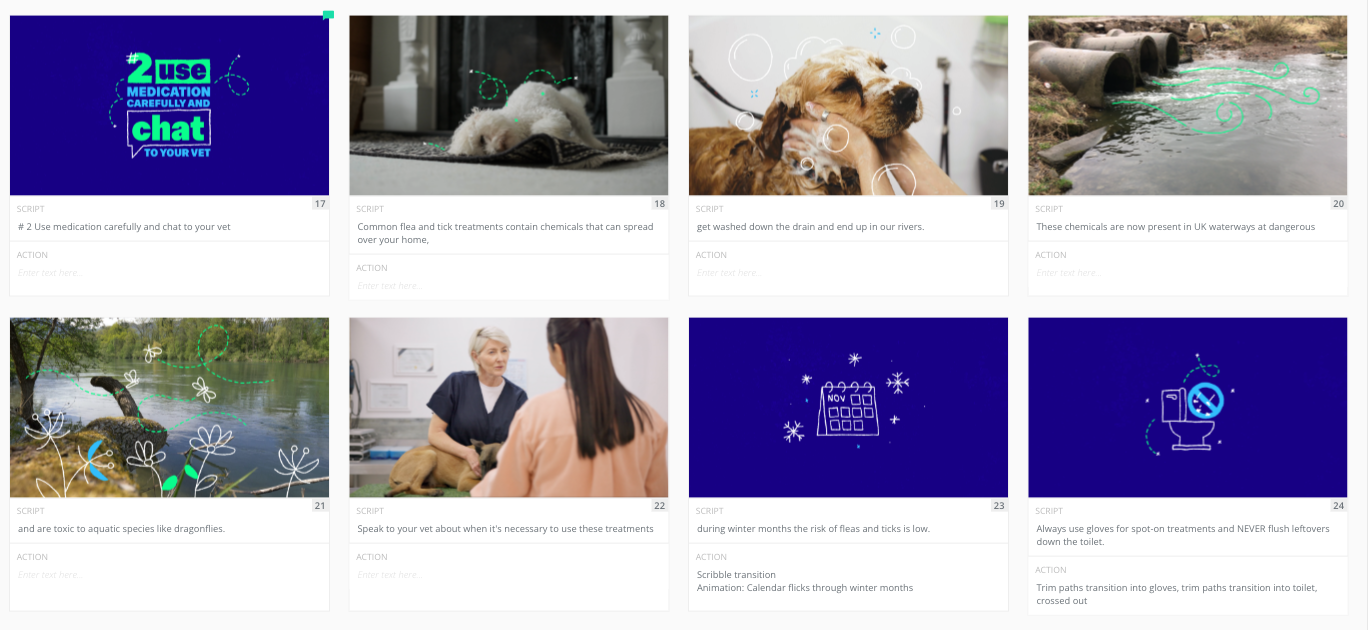
We developed the storyboard within Plot to map out how each scene would flow and show how we planned to bring the narrative to life. Working within this platform allowed stakeholders to comment directly on specific sections, helping to streamline feedback.
Voiceover
During pre-production, we agreed that the voiceover narration should have the following characteristics:
Youthful;
Calm and warm;
Someone young (ideally in their 20s).
After presenting a range of suitable voiceover options featuring different accents from across the UK, the team selected a young male artist known for his “cinematic, grounded delivery and strong brand storytelling credentials”.
To ensure the voiceover artist fully understood the intended tone and pacing, we sent him both the final script and a guide voiceover. Before this stage, we had produced several guide voiceovers for the team to review, making sure that the script and delivery style were fully aligned with their vision. This collaborative approach streamlined the recording process and reduced the need for multiple rounds of revisions.
Music and sound design
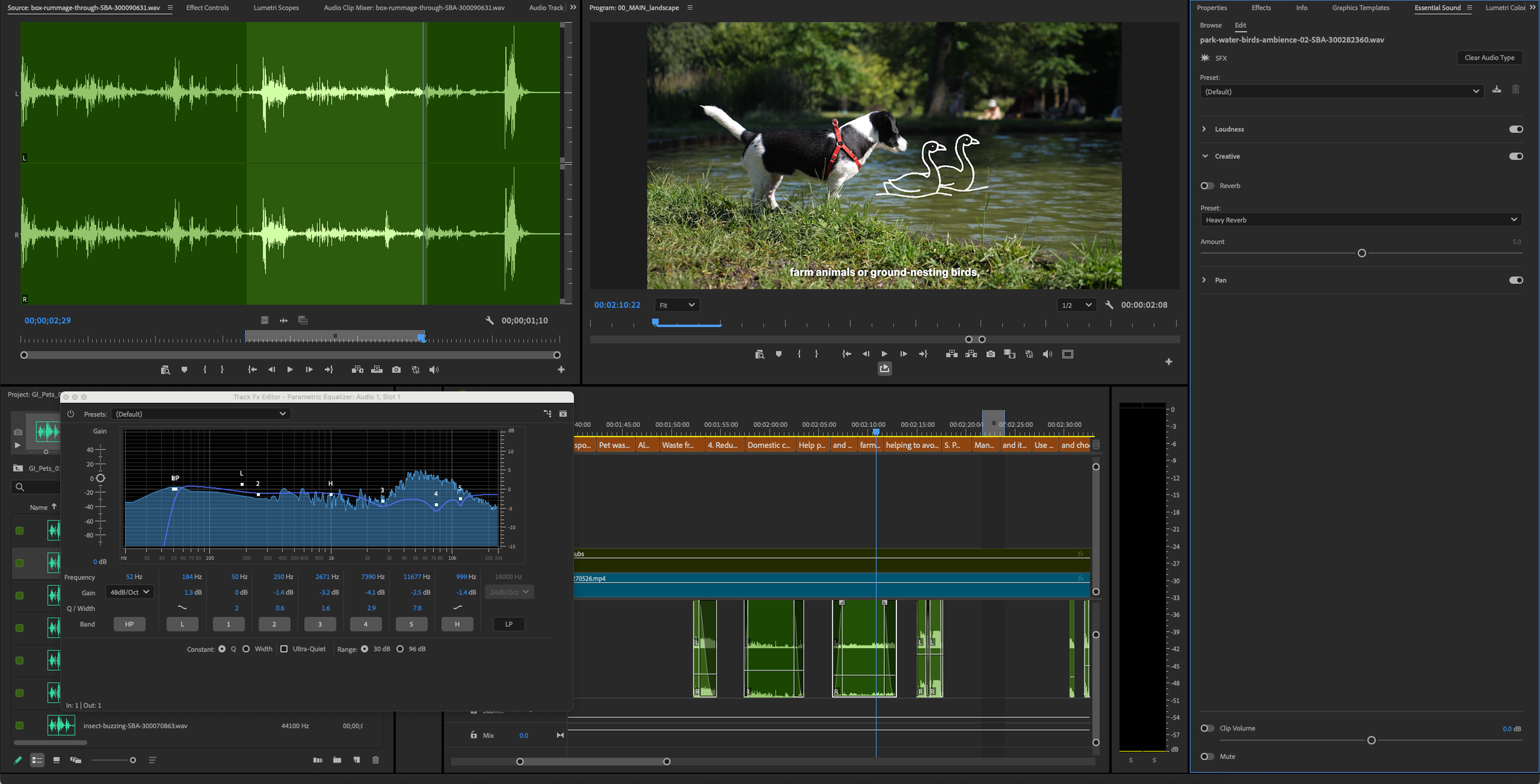
For the music and sound design, we wanted to strike a balance between uplifting and feeling overly sentimental. The soundtrack needed to feel warm and engaging, without becoming too cheesy or distracting from the core messages.
Alongside the music, we incorporated subtle sound design to help enhance key on-screen visual elements and bring additional depth to the animation. These understated audio details helped create a more polished and immersive viewing experience, while ensuring the overall tone remained light and approachable.
Motion design
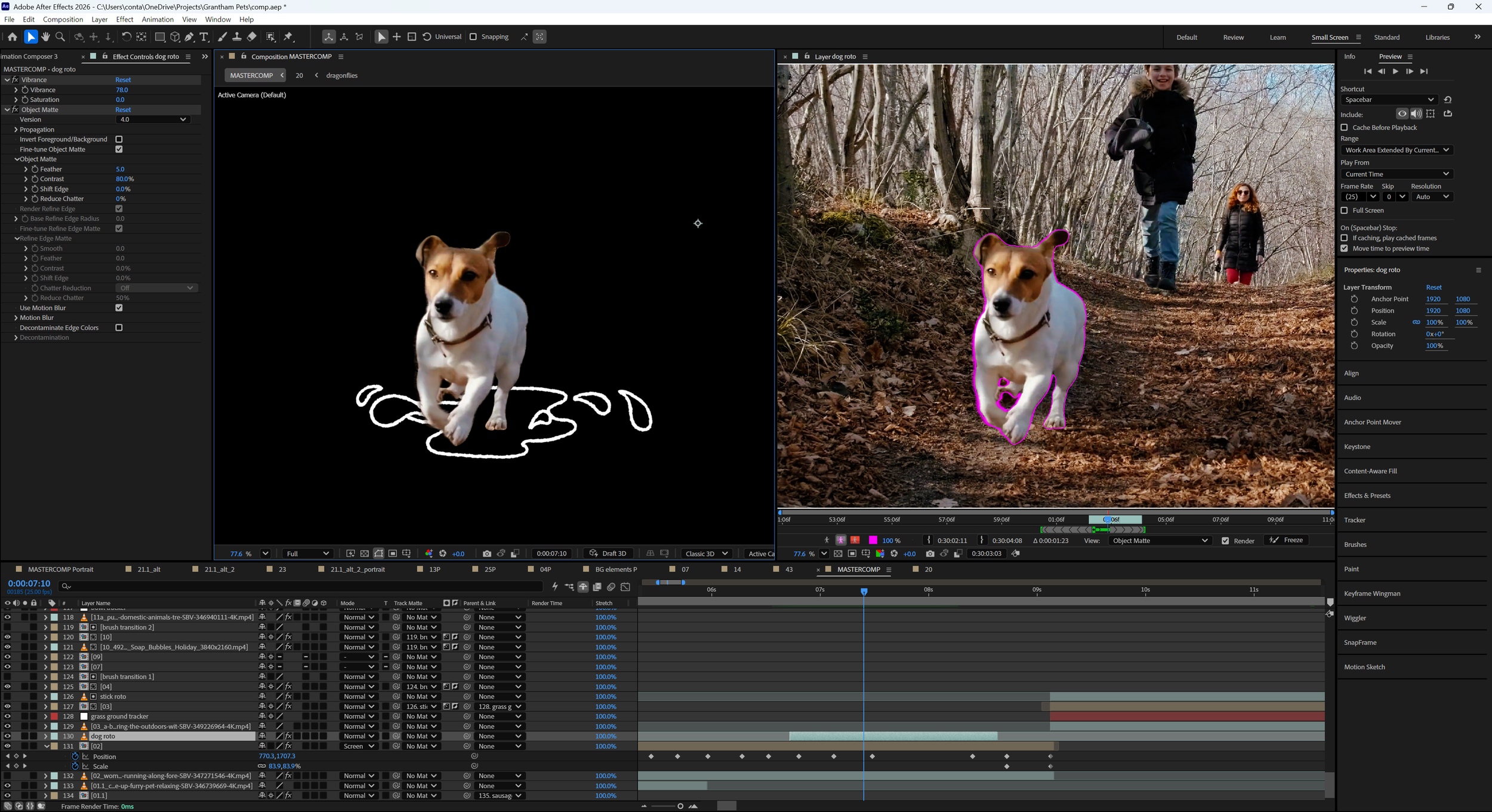
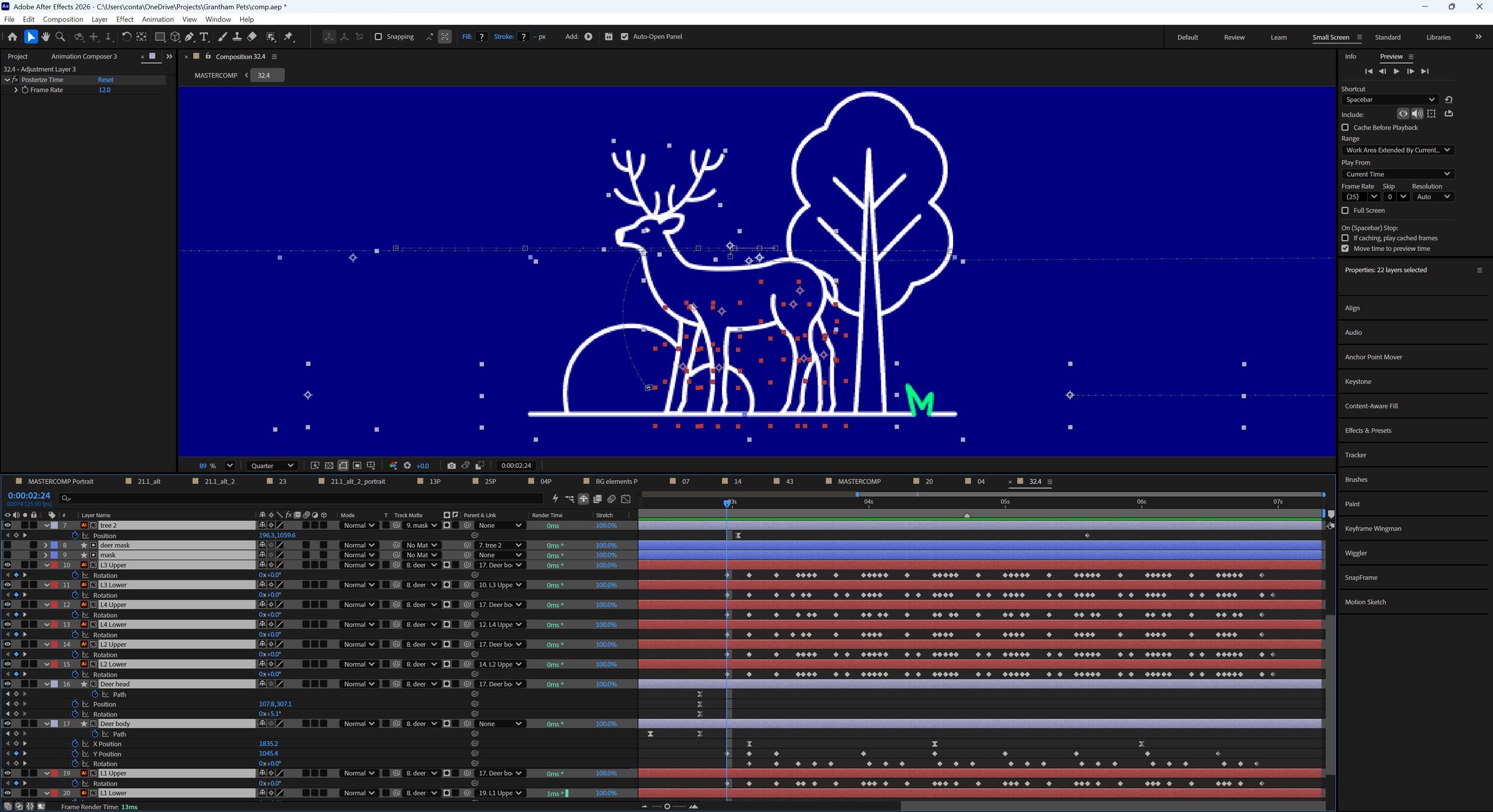
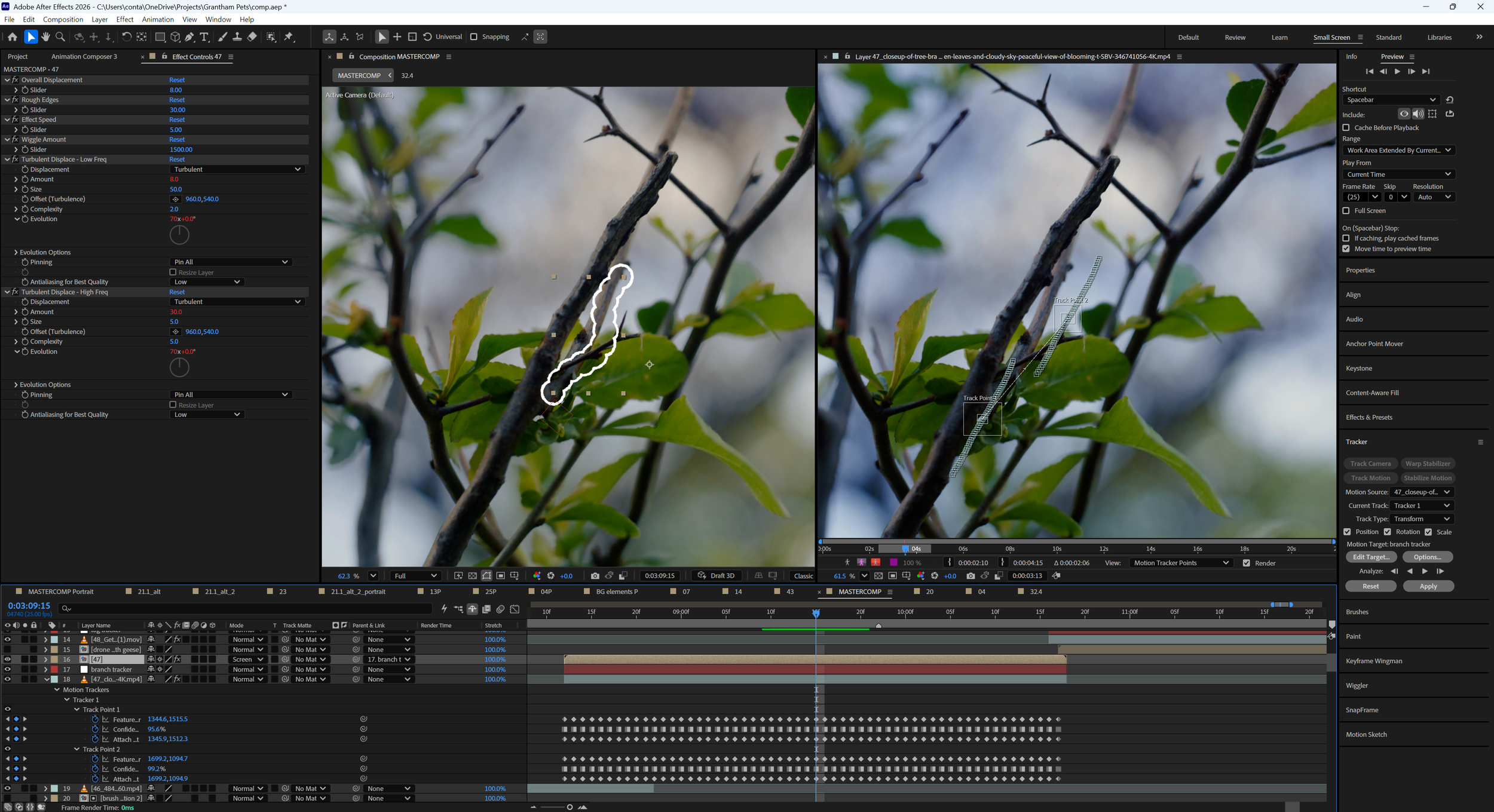
Before beginning the final animation process, we first created an animatic to establish the pacing, transitions and overall flow of the film. This allowed us to test how the storyboard would work in motion, refine timings and ensure the narrative felt clear and engaging before moving into full production.
Once the animatic had been approved, we focused on refining the motion design, taking the time to ensure every movement felt smooth, fluid and considered. Subtle transitions and carefully paced animation helped bring energy and personality to the video.
Throughout the process, we regularly shared updated versions with the client using Dropbox Replay, allowing stakeholders to comment directly on specific sections of the film. This streamlined the feedback process, making it easier to review changes, refine details and ensure the final animation aligned closely with the project vision.
Final editing and subtitles
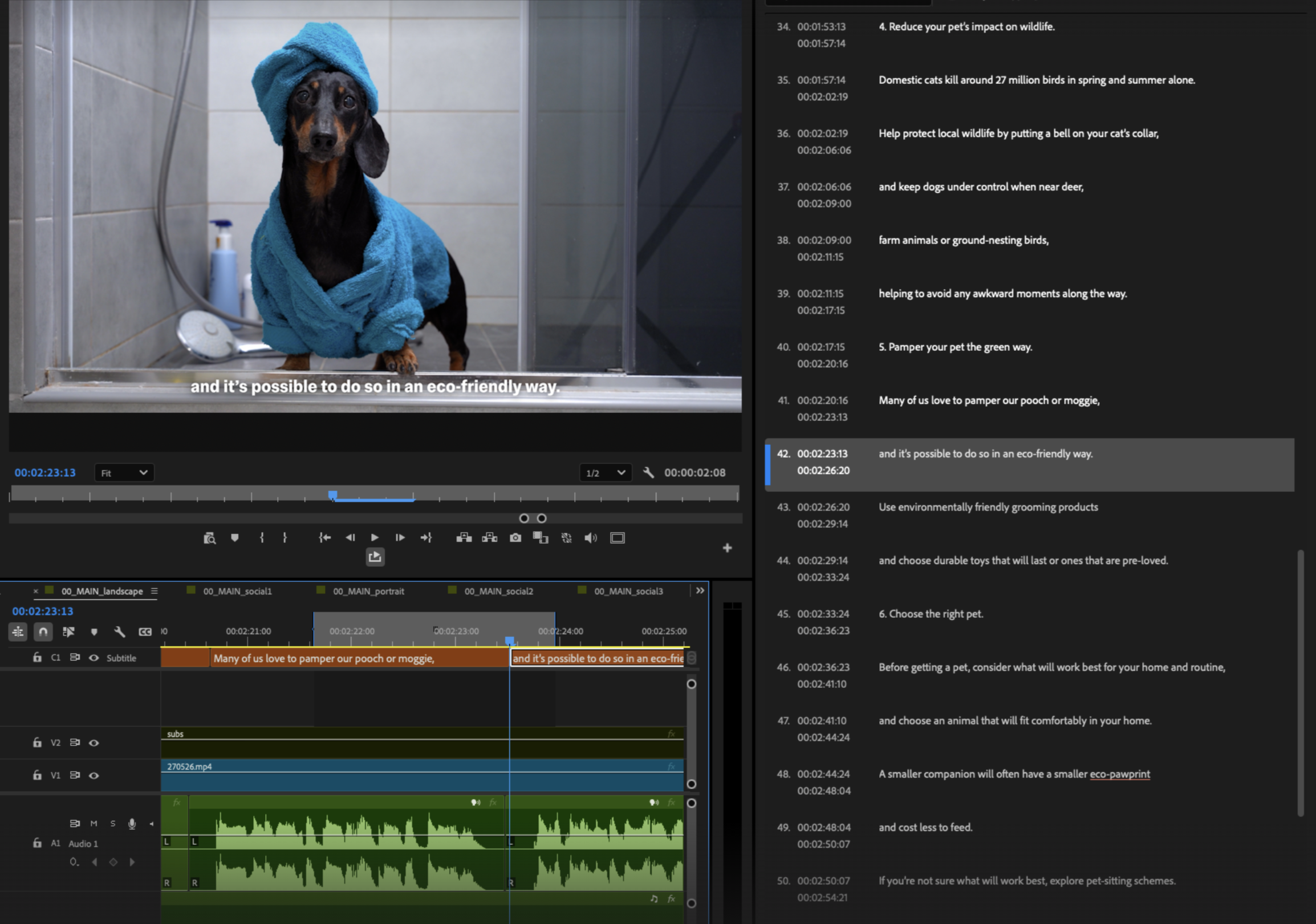
Adobe Premiere was used to bring together all project elements, including the rendered animation, music, professional voiceover and sound design. This final stage allowed us to review the piece as a whole, ensuring that every component worked seamlessly together and made any final adjustments before delivery.
At this point, we also created the subtitles for the animation. Clients typically require versions with and without burned-in captions, alongside an accompanying .srt file for use when uploading content to platforms such as YouTube and Facebook.
Once the final master had been approved, we delivered the completed assets to the client. In addition to the full-length animation, we produced a series of social media edits, each focusing on one of the seven key tips.
To maintain consistency across the campaign, all social edits featured a standardised end card. We also recommended using platform-specific linking functionality, e.g. YouTube descriptions, Instagram Stories and link-in-bio tools, rather than embedding URLs directly into the videos. Each social asset was fully optimised for its intended platform, supplied in portrait format and included captions to ensure accessibility and engagement when viewed without sound.
Adapting for print and web
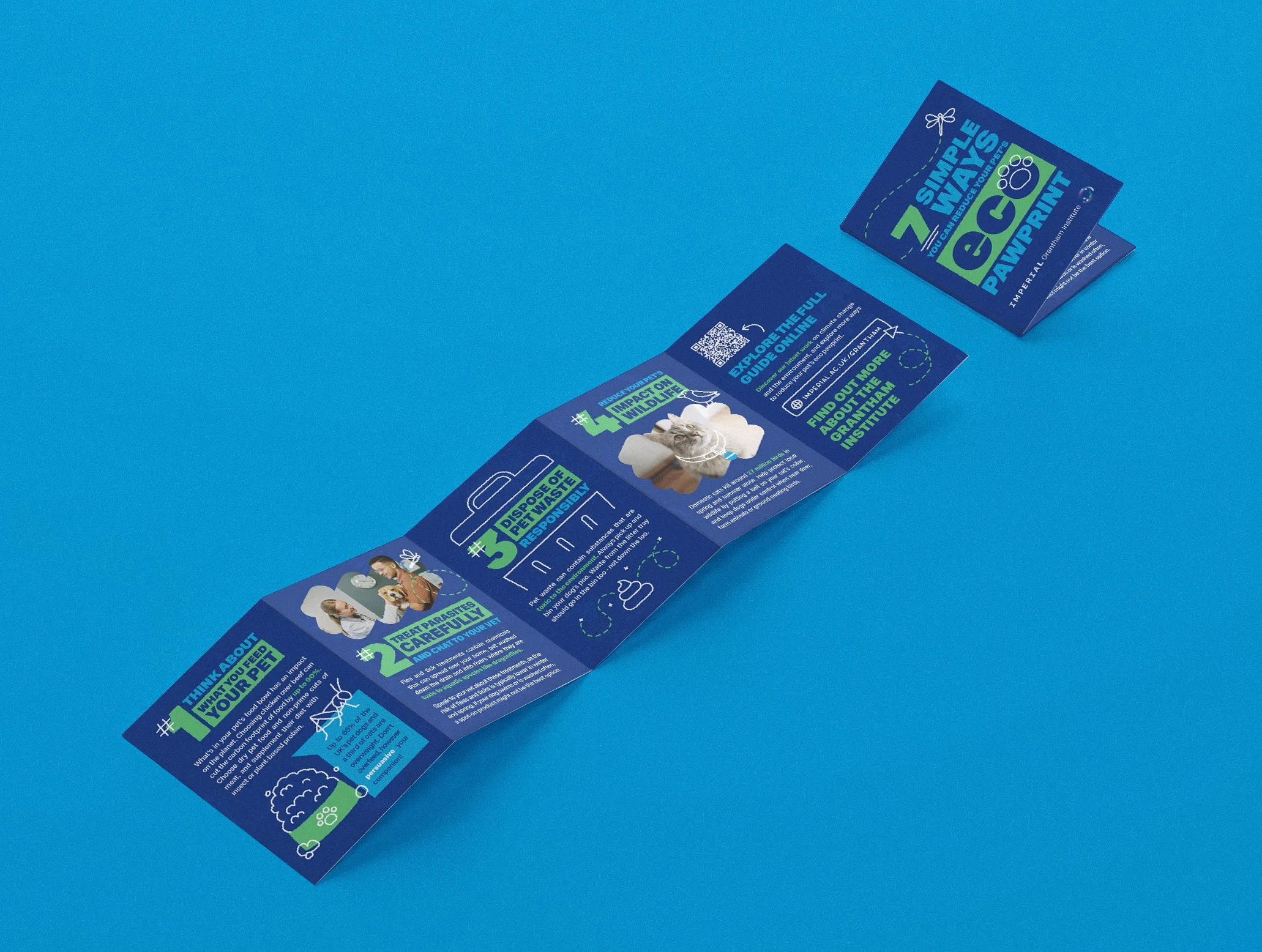
Alongside the animations, we also designed and produced a concertina leaflet for distribution at the Great Exhibition Road Festival. The leaflet needed to translate the key messages from the animation into a concise, accessible format while directing festival-goers to the full long-read article on the Imperial website.
To achieve this, we adapted the animation script into shorter versions of each of the seven tips, ensuring the content remained clear and engaging within the limited space available. These were paired with imagery taken directly from the animation and supplemented by carefully selected stock photography where appropriate.
A key part of the production process was creating a test print to ensure that the content flowed correctly across the folds and that the numbering sequence remained clear and intuitive for readers.
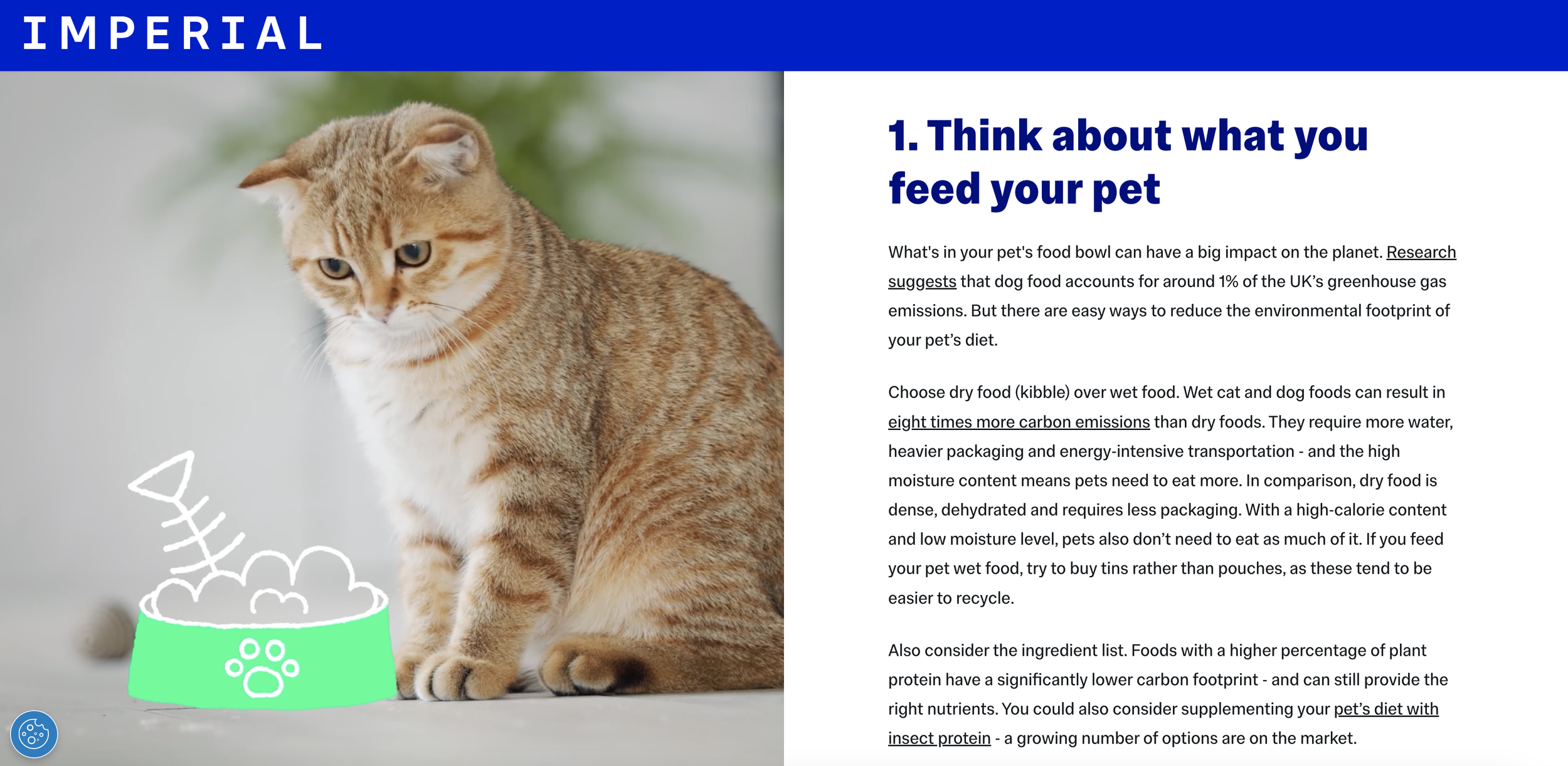
The final stage of the project involved supplying visual assets for the accompanying long-read webpage. While the Grantham Institute team developed the written content, we exported a selection of the animation’s most impactful scenes as high-resolution JPGs, providing the team with flexible imagery that could be cropped and adapted to suit the page design.
You can view the final webpage here.
This project allowed us to apply a broad range of our skills, producing content that was both engaging and informative across digital and print formats. One of the most rewarding aspects was the highly collaborative nature of the work. Working closely with the team at the Grantham Institute ensured a smooth and efficient process throughout, with clear communication and alignment at every stage.
We partnered closely with Matt Jones at ink, whose skilled expertise in animation and print played a key role in bringing the vision to life.
PROJECT REFLECTIONS
In conclusion.
You might also like:
The Animation Process
We’ll take you through the entire process of creating an animation that will capture your viewer’s attention.
Case Study
Animation
IMSE - Imperial College London

Case Study
Animation
Grantham Institute on Climate Change and the Environment - Imperial College London